



BIA Advocacy Update
MN legislative session convenes today, BIA in the News and News from National
Minnesota Legislative Session Convenes Today, Feb. 17, 2026
This year's legislative session is not a budget year, but rather a policy year with the potential for a bonding bill to pass. The bonding bill helps fund infrastructure related projects such as flooding mitigation, bridges, roads, housing, economic development initiatives. With the House of Representatives split 67-67 and the Senate 34-33 (slim democratic majority), it will be pertinent that both sides of the aisle work together to pass legislation.
While it's anticipated that much of the session will be spent discussing hot topics stemming from recent events in Minnesota, our priorities within the housing and building industries will be the same, supporting legislation that reduces regulatory burdens, streamlines processes and ensures competitiveness for businesses in Minnesota.
If there are issues in Minnesota that you would like your Association to look into, please contact education & public affairs specialist, Elizabeth Kosel at elizabeth@buildrrv.org or (701) 232-5846.
BIA in the News
Shannon Roers, 2026 BIA President, ROERS, recently sat down with Todd McDonald, Prairie Public to give a recap on the 2025 building year, and what may come in 2026.
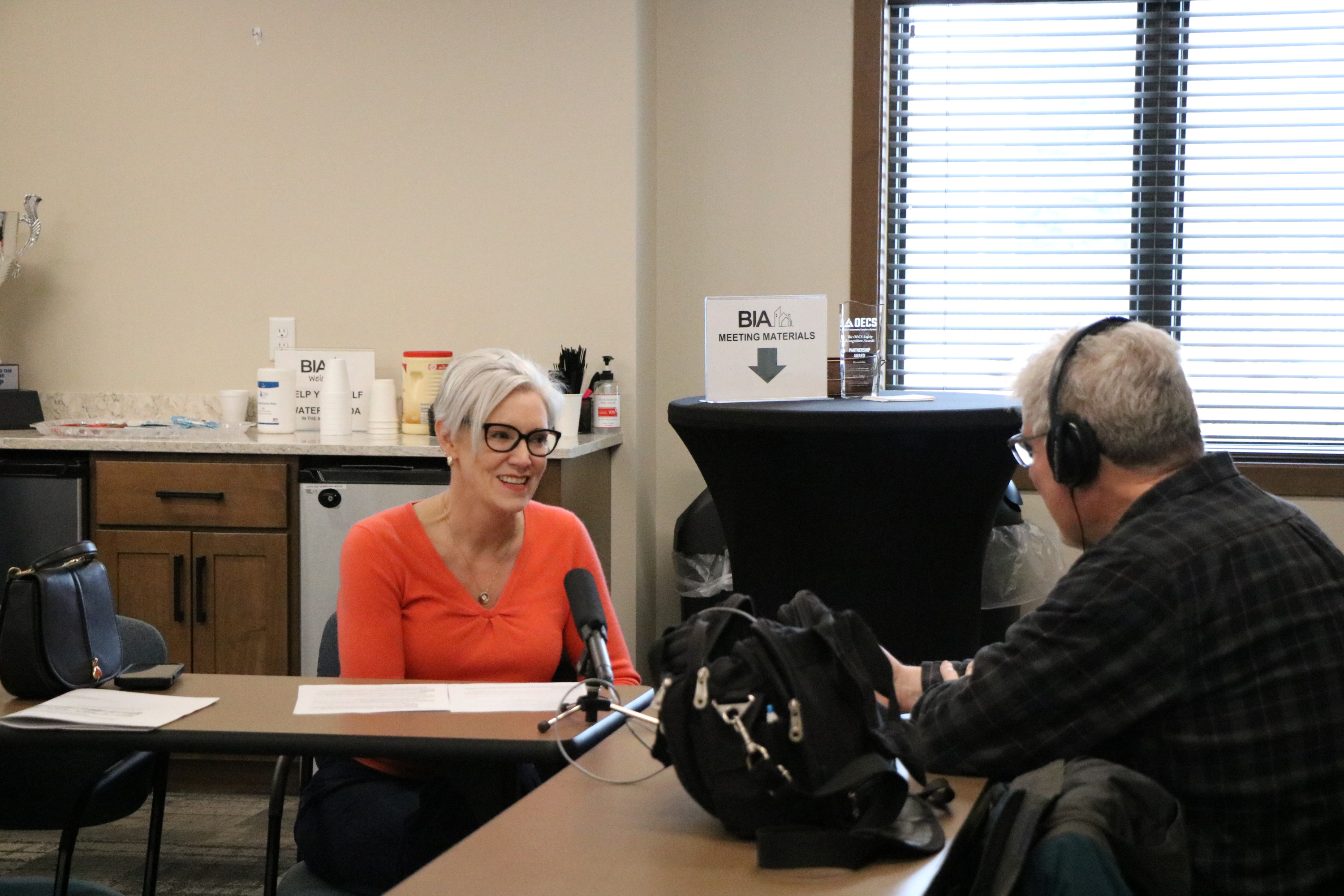
Read a synopsis of the interview here.
A few highpoints included:
- Total housing starts decreased by 16% in 2025 compared to 2024.
- Multifamily building permits increased by 160% compared to 2024.
- Some of the decrease could be attributed to tariffs, labor costs (due to construction labor shortage) and construction material prices continued to rise.
- There is cautious optimism for 2026 driven by easing interest rates.
US House Passes NAHB-Supported Major Housing Package
The House recently approved the Housing for the 21st Century Act, receiving major bipartisan support. It addresses land-use and zoning, regulatory reforms, and financing tools and is the House response to the ROAD to Housing Act, legislation passed by the Senate in the fall that includes provisions to reduce regulatory barriers and promoting pro-growth housing policies.
According to NAHB, the Housing for the 21st Century Act would:
Direct the Department of Housing and Urban Development (HUD) to develop best practices with key stakeholders, such as home builders and developers, to provide state and local governments with an array of options to increase housing production.
Remove regulatory burdens for infill and mid-sized construction and eliminate time-consuming duplicative review processes under the National Environmental Policy Act.
Raise multifamily loan limits and index them to the Price Deflator Index of Multifamily Construction, better reflecting the true cost of construction. This would help stimulate new apartment construction by making these loans more financially feasible to use.
Provide constructive and meaningful relief for community banks, which will strengthen these institutions to provide more credit for housing.
Read the article here.
Powered By GrowthZone